

How Often Should You Flush Your Water Heater?
Flush a tank water heater once a year, or every six months if you have hard water. That is Rheem's recommendation, and it explains why: sediment forms as minerals separate out of the water and settle at the bottom of the tank, and without regular flushing, that layer thickens, cuts efficiency, and adds wear to the system. Tankless water heaters are different and need periodic descaling instead of flushing.
For Bethel Park and other South Hills homes on Pennsylvania American Water, local water data helps decide which schedule fits. The utility's 2025 report for its Pittsburgh system lists average hardness of 111 ppm at its Hays Mine plant and 91 ppm at Aldrich, which falls in the utility's "moderately hard" range, but it also lists readings as high as 222 ppm at Hays Mine, well into its "very hard" band. Homes that see heavy scale or sediment noise may be better served by Rheem's six-month schedule than the yearly one. This guide covers the signs your tank needs a flush, how the process works, the steps that protect an electric heater, and when to leave it to a plumber.
What Does Flushing a Water Heater Do?
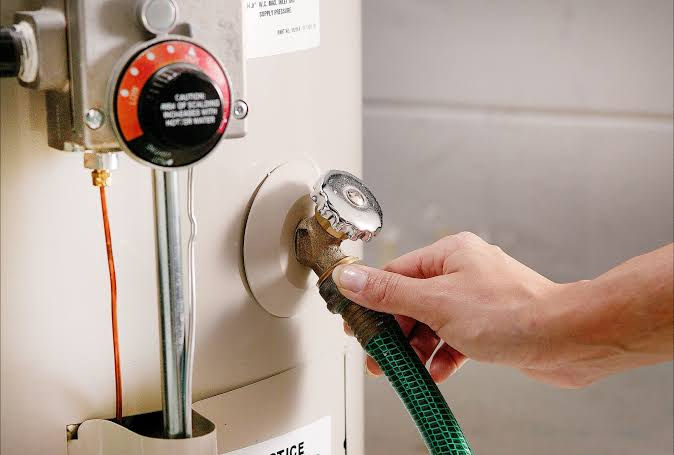
Flushing a water heater means draining water out of the tank to carry sediment out with it. Rheem describes sediment as minerals that separate from the water and settle at the bottom, where the layer acts like insulation and forces the system to run longer heating cycles.
Rheem lists these benefits of regular flushing:
Better heat transfer efficiency
Less strain on heating elements or burners
Protection against overheating and internal damage
Lower energy use and utility costs
A longer overall life for the tank
Water heater manufacturer A.O. Smith makes a related point about why sediment matters: minerals collecting at the bottom of a tank can cause overheating, cracks, and leaks. If you want the bigger picture on tank lifespan, read how long a water heater lasts before replacing.
What Are the Signs Your Water Heater Needs Flushing?
Sediment problems build slowly, so the early signs are easy to write off. Rheem lists these:
Rumbling or popping noises coming from the tank
Rusty or cloudy hot water
Running out of hot water faster than usual
Longer recovery times between uses
Rising energy bills without increased usage
Several of these overlap with other water heater problems. A.O. Smith notes that rust or cloudiness can signal either sediment buildup or corrosion inside the tank. Our guide on when to schedule water heater repair in Pittsburgh covers warning signs that point beyond sediment.
How Hard Is the Water in the South Hills?
Hardness is the main reason flushing schedules differ. Pennsylvania American Water, which serves Bethel Park and other South Hills communities, uses this scale: 60 to 119 ppm is moderately hard, 120 to 179 ppm is hard, and above 180 ppm is very hard.
Its 2025 report for the Pittsburgh system, which draws from the Monongahela River, lists these results:
Hays Mine plant: average 111 ppm (6.5 grains per gallon), range 37 to 222 ppm
Aldrich plant: average 91 ppm (5.3 grains per gallon), range 31 to 180 ppm
To find the numbers for your own system, Pennsylvania American Water points customers to pennsylvaniaamwater.com/wqreports. Homes on private wells need their own water test.
How Do You Flush a Tank Water Heater?
Rheem's steps are:
Turn off the electricity or gas and the cold water inlet.
Connect a hose to the drain valve, with the other end running to a container or area that hot water will not damage.
Open the pressure relief valve, then open the drain valve and let the tank drain completely.
Close the drain valve, disconnect the hose, and close the pressure relief valve.
Turn on the hot water faucets in the house, then turn the cold water inlet back on.
Once water flows from each faucet, turn it off, then restore the electricity or gas.
Protect an Electric Water Heater When You Refill
A.O. Smith stresses one step that matters most on electric units: make sure the tank is completely full before turning the power back on. If there is not enough water around the heating element, it will burn out, and you will have no hot water until the element is replaced. A.O. Smith also suggests turning the heater off for a few hours before draining, so the water cools and the scald risk drops, and wearing gloves and eye protection.
When Should You Call a Plumber Instead?
Flushing is a manageable DIY task for many people, but not every tank cooperates. Rheem recommends professional help when:
The drain valve will not open or is leaking
You see heavy rust or corrosion around fittings
The noise continues even after flushing
The unit is 8 to 12 years old or older
You are unsure about handling gas or electrical components
Rheem also notes that older tanks that have not been flushed in a while may have hardened sediment. A plumber can also check the anode rod while the tank is partly drained, which A.O. Smith recommends inspecting once a year. If the tank is near the end of its life, our post on whether to fix or replace a water heater in Bethel Park helps with the decision.
Do Tankless Water Heaters Need Flushing?
Tankless units do not hold a tank of water, so there is no sediment layer to drain. Rheem notes they require periodic descaling instead of flushing. Your owner's manual will list the interval and method for your model.
If you are considering a switch, our comparison of tank vs tankless water heaters for Pittsburgh homes covers maintenance differences along with cost and capacity.
FAQ
How often should I flush my water heater?
Once a year for most homes, according to Rheem, and every six months if you have hard water.
What happens if you never flush a water heater?
Rheem says sediment keeps building, which reduces efficiency and adds wear. A.O. Smith says sediment at the bottom of a tank can cause overheating, cracks, and leaks.
Can flushing a water heater cause leaks?
The drain valve is the part to watch. Rheem recommends calling a professional if the valve will not open or is leaking, and notes older tanks that have not been flushed in a while may have hardened sediment.
Should I flush a water heater that is 10 years old?
Rheem recommends professional help for units 8 to 12 years old or older, since older tanks may have hardened sediment.
How long does it take to flush a water heater?
It depends on tank size, how much sediment is inside, and water pressure. Plan for the tank to drain completely, then refill before restoring power.
Is South Hills water hard enough to flush every six months?
Pennsylvania American Water's 2025 averages sit in its moderately hard range, with some readings in the very hard range. If you see heavy scale or hear sediment noise, the six-month schedule is worth considering.
Water Heater Maintenance From a Bethel Park Team
All Pro Plumbing Heating & Cooling offers routine annual maintenance for water heaters, along with repair, replacement, and energy-efficient upgrades for tank and tankless units from all major brands. Registered Master Plumber John Oakes founded the company as a home-based family business in 2006, and the team now works out of its own office on Library Road with 10 local employees. You get clear pricing and options before any work begins. See tank and tankless water heater service, and water heater repair and replacement.
Visit All Pro Plumbing or call 412-595-8204 today. Contact us for more information.




Comments