

Is Pittsburgh Water Hard Enough to Need a Water Softener?
Tap water from Pennsylvania American Water's Pittsburgh system is moderately hard, not very hard, so a water softener is a comfort and maintenance choice rather than a necessity. The utility, which serves Bethel Park and other South Hills communities, reports average hardness of 111 ppm (6.5 grains per gallon) from its Hays Mine plant and 91 ppm (5.3 grains per gallon) from its Aldrich plant in its 2025 report for the Pittsburgh system. On the utility's own scale, 60 to 119 ppm counts as moderately hard.
Those numbers matter because several of the pages that rank for Pittsburgh water hardness put it much higher, at 8 to more than 11 grains per gallon, and one labels Pittsburgh water "very hard." The utility's report, which draws on its own testing of Monongahela River water treated at those two plants, puts the averages well below that. Pennsylvania American Water also states that it does not soften water because calcium and magnesium do not pose a health problem, and that treating for hardness is a personal choice. This post covers how to read your hardness numbers, what hard water does to plumbing and water heaters, and how to decide whether a softener is worth it for your home.

What Is Hard Water?
Hard water is water with a high concentration of dissolved minerals, mainly calcium and magnesium. It is measured in parts per million (ppm, the same as milligrams per liter) or in grains per gallon (gpg).
Pennsylvania American Water uses this scale in its water hardness fact sheet:
Soft: under 17 ppm (under 1 gpg)
Slightly hard: 17 to 59 ppm (1 to 3 gpg)
Moderately hard: 60 to 119 ppm (4 to 7 gpg)
Hard: 120 to 179 ppm (7 to 10.4 gpg)
Very hard: over 180 ppm (over 10.5 gpg)
How Hard Is Water in Bethel Park and the South Hills?
Averages tell only part of the story. The same 2025 report lists a range of 37 to 222 ppm at Hays Mine and 31 to 180 ppm at Aldrich, so individual readings vary a lot. Some readings reach the "very hard" band even though the averages sit in the moderate range.
Not every South Hills home is on the same system, and your water may come from a different plant or provider. Pennsylvania American Water directs customers to pennsylvaniaamwater.com/wqreports to find the Water Quality Report for their own system. If you are on a private well, the utility's numbers do not apply, and a lab test is the only way to know.
What Does Hard Water Do to Plumbing and Water Heaters?
Hard water is mostly a maintenance issue. Pittsburgh Water's water quality FAQ notes that the minerals are not a risk to health but can build up on surfaces over time.
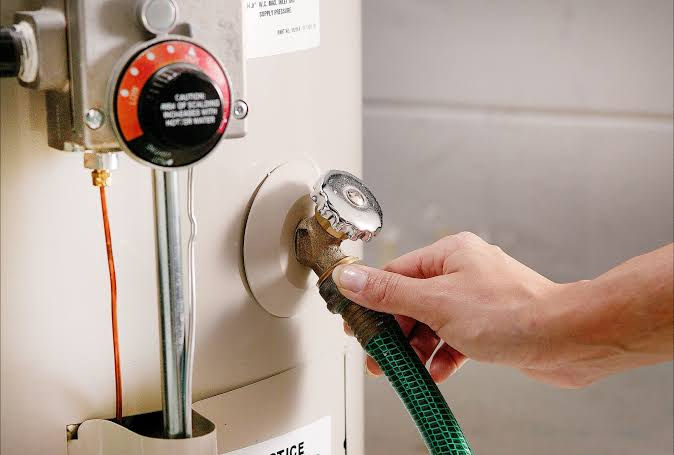
Water heaters feel it too. Water heater manufacturer A.O. Smith says minerals in hard water can build up over time and cause corrosion and leaks, and that sediment collecting at the bottom of a tank can cause overheating, cracks, and leaks. Rheem recommends flushing a tank water heater once a year for most homes and every six months if you have hard water.
Rheem lists these signs that sediment is building up in a tank:
Rumbling or popping noises from the water heater
Rusty or cloudy hot water
Running out of hot water faster than usual
Longer recovery times between uses
Rising energy bills without increased usage
For more on how minerals shorten a tank's life, see how long a water heater lasts before replacing.
Do You Need a Water Softener at Moderate Hardness?
At moderate hardness, a softener is optional. It starts to make more sense if scale is building up faster than you can clean it, your water heater is making sediment noises, or someone in the house dislikes how hard water feels on skin and hair.
Pennsylvania American Water lists a few drawbacks to consider before you buy:
Softening adds sodium to the water
Softened water can be more corrosive to plumbing
A softener should not be used to try to improve the safety or quality of drinking water
That last point matters. Hardness is not a health concern according to the utility, so a softener is not a safety upgrade. If your concern is taste, odor, or specific contaminants, a filtration system matched to a water test is the better tool.
What Are the Alternatives to a Whole-House Softener?
A softener is not the only way to deal with minerals. Depending on what bothers you most, other options include:
Regular water heater flushing, which Rheem recommends every six months on hard water to clear sediment
Annual anode rod checks, which A.O. Smith recommends once a year to help extend the life of a tank water heater
Point-of-use filtration, such as an under-sink filter for drinking water
Descaling tankless heaters, which Rheem notes need periodic descaling instead of flushing
If you are shopping for a new water heater, our comparison of tank vs tankless water heaters for Pittsburgh homes covers how each type handles maintenance.
How Do You Decide What Is Right for Your Home?
Start with your numbers, then look at your symptoms. Pull your system's Water Quality Report from Pennsylvania American Water, note the hardness range, and compare it with what you see around the house.
A reasonable path looks like this:
Check your utility report for average and range.
Look for scale buildup, water heater noise, and reduced hot water capacity.
Decide whether the goal is less scale, better-feeling water, or better-tasting drinking water.
Match the equipment to that goal: a softener for scale, a filter for taste or specific contaminants.
If a single fixture has weak flow, our guide on why your home's water pressure is low walks through the usual causes, and how to choose the right bathroom faucet helps if a fixture is past saving.
FAQ
Is Pittsburgh water hard?
Pennsylvania American Water's 2025 report for its Pittsburgh system shows average hardness of 91 to 111 ppm (5.3 to 6.5 grains per gallon), which is moderately hard on the utility's scale.
Is hard water safe to drink?
Pennsylvania American Water says calcium and magnesium do not pose a health problem. Hardness is an aesthetic and maintenance issue.
Does Pennsylvania American Water soften its water?
No. The utility states that it does not treat for or soften hard water and that treating for hardness is a personal choice.
How often should I flush my water heater if I have hard water?
Rheem recommends every six months for homes with hard water and once a year for most other homes.
Will a water softener fix low water pressure?
Not by itself. A softener deals with minerals, and low pressure has many possible causes. Have the cause diagnosed before buying equipment.
Where can I find my home's hardness level?
Look up your system's Water Quality Report at pennsylvaniaamwater.com/wqreports, or have a sample tested if you are on a private well.
Water Softener, Filtration, and Water Heater Service in the South Hills
All Pro Plumbing Heating & Cooling installs and maintains water softeners and installs water filtration systems, from under-sink filters to whole-house systems, along with tank and tankless water heaters. The company was founded in 2006 by Registered Master Plumber John Oakes as a home-based family business and now operates from its own office in Bethel Park with 10 local employees. Every job is priced upfront and per job, so you know the full price before any work begins. See fixture and filtration installation and water heater repair and replacement.
Visit All Pro Plumbing or call 412-595-8204 today. Contact us for more information.



Comments