

Is Your Home's Water Pressure Too High?
Your water pressure is too high if a gauge reads above 80 psi with everything turned off. The International Residential Code (Section P2903.3.1) caps static water pressure in a home at 80 psi and requires an approved pressure-reducing valve where the main pressure is higher. Moen, the faucet and fixture maker, puts the ideal range for a home at 40 to 60 psi.
Installing a pressure-reducing valve fixes one problem and can create another. The code's thermal expansion section (P2903.4.1) requires a pressure control device, such as a thermal expansion tank, where heated water pushes pressure on the house side of a pressure-reducing valve above the valve's setting. In practice, a home that gets a pressure-reducing valve may also need an expansion tank at the water heater. Water heater manufacturer A.O. Smith makes the same connection from the other direction, advising homeowners to control water pressure and install a thermal expansion tank before replacing a dripping relief valve. This post covers how to test your pressure, what high pressure does to your plumbing, why some homes get more than others, and how to fix it.

What Is Normal Water Pressure for a House?
Water pressure is the force pushing water through your pipes, measured in pounds per square inch (psi). Moen recommends 40 to 60 psi for a home and calls anything over 80 psi the danger zone.
The 80 psi figure is also the code limit. The International Residential Code says static water pressure shall not be greater than 80 psi, and where the main pressure exceeds that, an approved pressure-reducing valve is required. Static pressure means the pressure with no water flowing, which is why the test below starts with everything off.
How Do You Test Your Home's Water Pressure?
A pressure gauge that threads onto a hose connection gives a direct reading, and Moen notes they are sold at most home improvement and hardware stores. Moen's method:
Pick the faucet closest to the water main, often a basement laundry tap or an outdoor spigot.
Turn off every water fixture and appliance in the house.
Thread the gauge on tightly and turn the faucet all the way on.
Wait a few seconds, then read the gauge.
If the reading is over 80 psi, you are above the code limit. Keep the gauge handy, since a reading that climbs over time can point to a failing pressure-reducing valve.
What Are the Signs of High Water Pressure?
High pressure often goes unnoticed until something wears out. Moen lists these clues:
Leaking faucets, especially ones that leak while another fixture, like the shower, is running
Spitting or bursting when you first turn a faucet on, or water spraying out at an angle at full flow
Banging pipes, known as water hammer, when a fast flow stops suddenly
Leaking appliances, since washing machines, water heaters, and dishwashers can start leaking under extreme pressure over time
Appliances that wear out early, well before their expected life
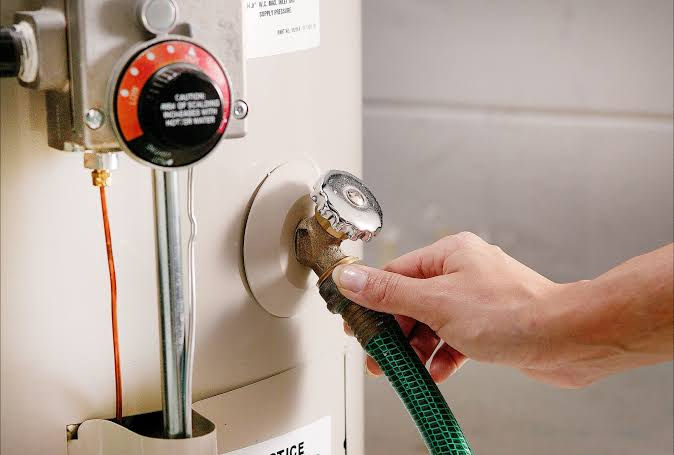
At the water heater, A.O. Smith says a temperature and pressure relief valve will drip if water pressure is too high, and lists excessive pressure among the causes of tank and connection leaks. Moen also names toilets among the fixtures that wear out faster under high pressure. If one keeps running, start with our guide on how to fix a running toilet.
Why Do Some Homes Have Higher Water Pressure Than Others?
Elevation plays a big part. Charlotte Water, a North Carolina utility, explains that water pressure comes mainly from the elevation of storage tanks relative to the elevation of your home, and that pressures run higher at geographic low points, like near a creek or at the bottom of a neighborhood. Moen adds that in areas with many hills or tall buildings, utilities pump water at higher pressures to reach every customer, and that supply pressure of 100 psi or more is not unusual.
In hilly terrain like the South Hills, that means elevation alone can make pressure differ from one home to the next, so a neighbor's reading does not tell you much about yours.
Can Pressure Change Suddenly?
Yes. Charlotte Water notes that pressure-reducing valves age and eventually need replacement, typically between 7 and 12 years, and that a sudden increase in pressure can mean the valve is wearing out. Moen gives the same 7- to 12-year lifespan.
What Does High Water Pressure Damage?
Moen compares water pressure to blood pressure: the damage builds quietly until something fails. It lists:
Pipes: repeated high-pressure flow and sudden stops cause long-term damage that can lead to small leaks, mold, structural damage, and even burst pipes
Fixtures and appliances: faucets, showerheads, toilets, and appliances wear out sooner
Water heaters: A.O. Smith links high pressure to relief valve drips and leaks
Water bills: higher pressure lets out more water every time a faucet opens
Hidden leaks are the costly version of this. Our guide to signs of a hidden water leak in your Pittsburgh home covers what to watch for, and how to know if your pipes need replacing helps if your plumbing is already showing its age.
How Do You Fix High Water Pressure?
The standard fix is a pressure-reducing valve on the main water line, which the code requires when supply pressure exceeds 80 psi. If you already have one and pressure has crept up, the valve may be worn out and due for replacement.
Two follow-ups matter:
Plan for thermal expansion. Under IRC P2903.4.1, a pressure control device is required where water heating pushes pressure on the house side of the valve above its setting. An expansion tank at the water heater is the common solution.
Get the permit. In Allegheny County, the Health Department requires a plumbing permit for plumbing that is installed or altered, with a final inspection.
Moen describes installing a pressure-reducing valve as a job that involves cutting pipe and not one for beginners. If low pressure is your problem instead, see why your home's water pressure is low.
FAQ
What PSI is too high for a house?
Anything over 80 psi static pressure. That is the International Residential Code limit, and Moen calls it the danger zone.
What is normal water pressure for a home?
Moen recommends 40 to 60 psi.
Does a pressure-reducing valve wear out?
Yes. Charlotte Water and Moen both put the typical lifespan at 7 to 12 years, and a sudden rise in pressure can mean the valve is failing.
Can high water pressure cause a water heater to leak?
A.O. Smith lists excessive water pressure as a cause of water heater leaks and says the relief valve will drip if pressure is too high.
Why do my pipes bang when I turn off a faucet?
That is water hammer. Moen explains it happens when a fast, powerful flow of water stops suddenly, and calls it a major sign of pressure problems.
Do I need an expansion tank if I install a pressure-reducing valve?
Often, yes. IRC P2903.4.1 requires a pressure control device where thermal expansion raises pressure on the house side of the valve above its setting.
Water Pressure and Plumbing Repair in the South Hills
All Pro Plumbing Heating & Cooling handles plumbing repairs and installations across Bethel Park, the South Hills, and Allegheny and Washington counties, including leak detection with acoustic detectors, thermal imaging, and moisture meters, and fixture installation. The company was founded in 2006 by John Oakes, a Registered Master Plumber, and now runs from its own office on Library Road with 10 local employees. Pricing is quoted upfront per job, and 24/7 emergency service is available. See plumbing services and leak detection.
Visit All Pro Plumbing or call 412-595-8204 today. Contact us for more information.



Comments