

What Does a Furnace Tune-Up Include?
A furnace tune-up is a once-a-year service visit where a technician inspects, cleans, tests, and adjusts your heating system before you depend on it. ENERGY STAR's maintenance checklist lists the core tasks: check thermostat settings, tighten electrical connections, measure voltage and current on motors, lubricate moving parts, inspect the condensate drain, test the system controls, and, on gas or oil furnaces, check the fuel connections, gas pressure, burner combustion, and heat exchanger.
Timing matters as much as the checklist. The National Fire Protection Association reports that 46% of home heating equipment fires from 2020 to 2024 happened in just three months, December through February, and it advises that heating systems be inspected and cleaned each year before they are fired up for the season. ENERGY STAR adds a practical reason to book early: contractors get busy once winter arrives, so the heating check belongs in the fall. This guide covers what a technician looks at, what you can handle yourself, and how to tell when a tune-up turns into a repair conversation.

What Is a Furnace Tune-Up, Exactly?
A furnace tune-up is preventive maintenance, not a repair call. The goal is to find worn parts, loose wiring, dirty components, and combustion problems while the system is still running, rather than after it quits on a cold night.
A good visit follows a set order. The technician shuts the system down safely, opens the cabinet, and works through the blower, the electrical components, the ignition and burners, the heat exchanger, the venting, and the controls. At the end, the furnace is run through a full heating cycle to confirm it starts, heats, and shuts off the way it should.
What Does a Technician Check During a Furnace Tune-Up?
ENERGY STAR's checklist gives a clear baseline for what a heating tune-up should cover. Expect these items at a minimum:
Thermostat settings, so the system turns on and off at the right temperature
Electrical connections, tightened, with voltage and current measured on motors
Moving parts, lubricated to cut friction and wear
The condensate drain, checked for clogs
System controls, tested for proper and safe startup and shutdown
Gas or oil connections, gas pressure, burner combustion, and the heat exchanger
The U.S. Consumer Product Safety Commission adds venting to that list. Its carbon monoxide guidance says the heating system should be professionally inspected and serviced every year, and that the inspection should cover chimneys and flues for blockages, corrosion, partial or complete disconnections, and loose connections.
Why the Heat Exchanger and Venting Get Extra Attention
The heat exchanger and the vent pipe keep combustion gases separate from the air you breathe and carry them out of the house. A crack, a rusted section, or a disconnected flue pipe is not something most homeowners would notice. It is also exactly the kind of problem an annual inspection is meant to catch.
Is a Furnace Tune-Up Worth It?
For most homes, yes, and safety is the main reason. The CPSC reports that more than 200 people in the United States die each year from carbon monoxide produced by non-automotive consumer products, including malfunctioning furnaces, water heaters, and room heaters. An annual inspection is one of the steps the agency recommends to prevent that.
Reliability is the second reason. Lennox recommends a professional tune-up at least once a year in the fall, noting that a technician can calibrate the thermostat, test the wiring, and replace worn parts so the unit runs more efficiently and lasts longer.
There is also a cost angle that is easy to overlook. A worn part found in October is a scheduled repair. The same part failing in January can mean an emergency call and a cold house while you wait.
What Can You Do Between Tune-Ups?
Changing the air filter is the biggest maintenance job a homeowner can do on their own. ENERGY STAR recommends inspecting the filter once a month and cleaning or changing it as needed. Trane puts the replacement window at roughly every 30 to 90 days, depending on the filter type.
A few other quick habits help:
Keep supply registers and return grilles clear of furniture and rugs
Keep storage boxes and cleaning products away from the furnace cabinet
Replace thermostat batteries if your model uses them
Test your carbon monoxide alarms monthly, as the CPSC advises
For a longer look at filter schedules, see our guide on how often to change your HVAC air filter.
When Does a Tune-Up Turn Into a Repair Conversation?
Sometimes the inspection finds more than dirt. Common findings that lead to a repair quote include a weak ignition component, a failing blower motor, loose or damaged wiring, or corrosion around the burners or venting.
Age also changes the discussion. All Pro's furnace service page notes that once a furnace is more than 15 years old, repairs may become more frequent, and it may be time to weigh replacement against another repair. If you are already seeing warning signs, our post on the signs your furnace is failing walks through them, and should you repair or replace your Pittsburgh furnace covers how to decide.
When Should South Hills Homeowners Schedule a Furnace Tune-Up?
Early fall is the best window in Bethel Park and the rest of the South Hills. The NFPA's data shows heating fires concentrate in December, January, and February, and ENERGY STAR notes that contractor schedules fill up once cold weather sets in. Booking in September or October gets the work done before the first hard freeze and before the busy season.
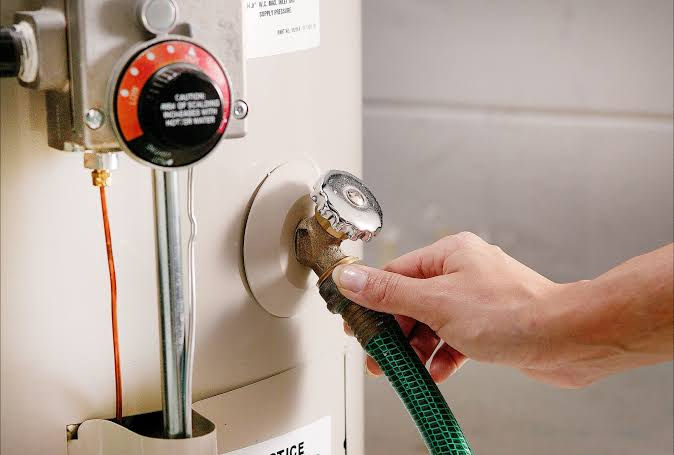
A fall visit also pairs well with other cold-weather checks, such as testing the water heater and protecting exposed pipes. Our winter plumbing and HVAC prep guide lists what to look at around the house before winter.
FAQ
How often should a furnace be tuned up?
Once a year. The NFPA advises that heating systems be inspected and cleaned each year before the heating season, and the CPSC recommends annual professional inspection and service.
How long does a furnace tune-up take?
It depends on the furnace type, its condition, and what the technician finds. A clean, well-maintained system takes less time than one with a clogged filter, dirty burners, or a repair to quote. Ask for a time estimate when you book.
Does a new furnace need a tune-up?
Yes. The NFPA and CPSC recommendations for yearly inspection apply to every furnace, new or old. Your owner's manual also lists the maintenance the manufacturer expects.
Can I do a furnace tune-up myself?
You can change the filter and keep vents clear. Gas pressure, combustion, heat exchanger, and venting checks call for a trained technician with the right instruments. The CPSC warns against servicing fuel-burning appliances without the proper knowledge, skills, and tools.
What is the difference between a tune-up and a repair?
A tune-up is scheduled maintenance on a working system. A repair fixes something that has already failed or is about to fail. Many repairs start as findings during a tune-up.
Does a tune-up check for carbon monoxide?
A proper tune-up inspects the parts that keep combustion gases out of your home, including the heat exchanger, flue, and venting. You should still have working CO alarms, because the CPSC notes that an alarm adds protection but does not replace proper appliance upkeep.
Furnace Maintenance From a Bethel Park Team
All Pro Plumbing Heating & Cooling has served Bethel Park and the South Hills since 2006, when Registered Master Plumber John Oakes started the company as a home-based family business. Today the team works out of its own office on Library Road and employs 10 local residents. Heating maintenance visits include inspection, cleaning, and adjusting your system, and the company handles repairs on both gas and electric furnaces. Pricing is upfront and per job, so you know the full price before you give the go-ahead. Learn more about heating maintenance and installation or furnace repair service.
Visit All Pro Plumbing or call 412-595-8204 today. Contact us for more information.



Comments